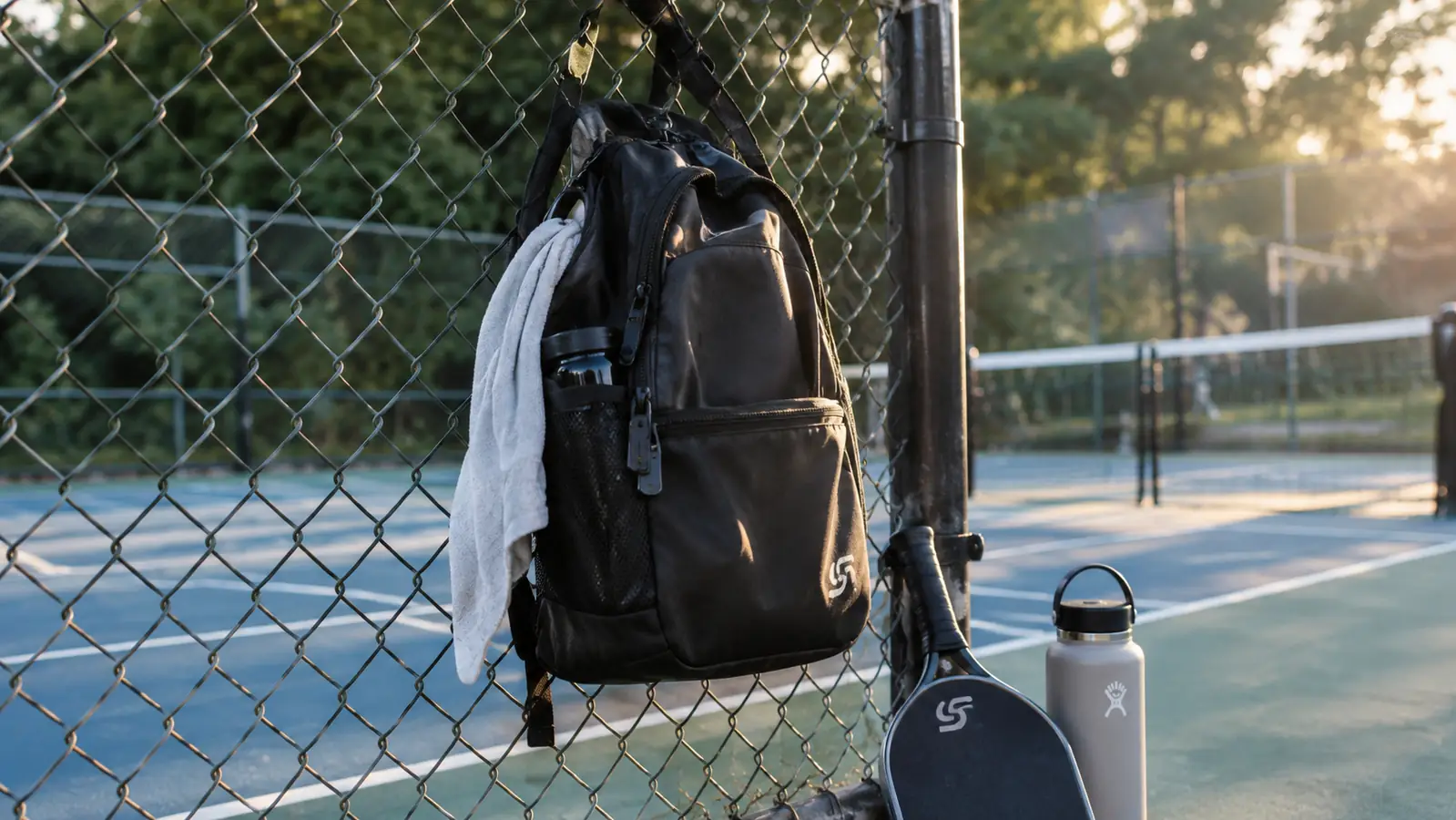
If you are like me, your pickleball bag is a black hole. The paddle slides down beside the water bottle, the loose balls roll under the seat, and by the time you reach the front door of the rec center you are digging through a tangle of grips, sunglasses, and a granola bar wrapper while Carol waits with her paddle under her arm. I used to pack the night before and still forget the one thing I needed most. One morning last winter I walked in with my water bottle, my balls, and no paddle. Carol handed me her spare and said we were going to fix my bag situation before the next game.
A little over a year ago I switched to the Mangrove Pickleball Bag with Fence Hook and Large Capacity, and the whole routine got easier. Five dedicated pockets sounds like marketing talk, but it changes the way you pack. Each thing has a home, so you stop playing the where did I put it game between games. I can pack for a Wednesday morning open play in about four minutes now, and I know exactly where everything is when my name gets called for the next match. Here is the packing order that works for me.
Pack Once, Play All Morning
The Mangrove bag I use has a spot for every piece of gear, so you can stop rummaging and start warming up. It is the bag that fixed my morning routine.
Amazon See the Mangrove Bag on Amazon →Step 1: Slide Your Main Paddle Into the Padded Slot First
The biggest mistake I made in the beginning was putting my paddle in on top of everything else. Then the handle poked through the opening of my old tote, or the paddle face got scratched by the keys in the bottom. The Mangrove bag has a padded slot built for a paddle, and it is the first thing I load. I slide my main paddle in handle first, so the face stays protected and the handle is easy to grab when I reach the court. It sounds like a small thing, but it means I am not pawing through the bag while the other team waits.
My everyday paddle is a 16 millimeter polymer core with a 4 1/8 inch grip, because my right elbow complains when I use anything heavier. I learned that after a month of playing with a paddle that was too light and too small for my hand. My forearm ached by the second game, and the vibration traveled right into the elbow. The paddle I use now is the one that felt comfortable on the first swing, and it lives in the dedicated slot all week, not just on game days. If I bring a spare for a friend who is trying the sport for the first time, I put that one in the middle compartment after the balls are in, so it does not rattle around.
One small habit that saved me: check the slot before you leave the house. Twice last winter I walked into the rec center with my water bottle and my balls, but no paddle, because I had taken it out to show a neighbor and set it on the kitchen counter. Now the paddle goes in the slot first, and everything else gets packed around it. When I get home, I take the paddle out, wipe it down with a damp cloth, and put it right back in the slot. That way the bag is always ready for the next morning.
Step 2: Put Balls in the Ball Pocket, Not Loose
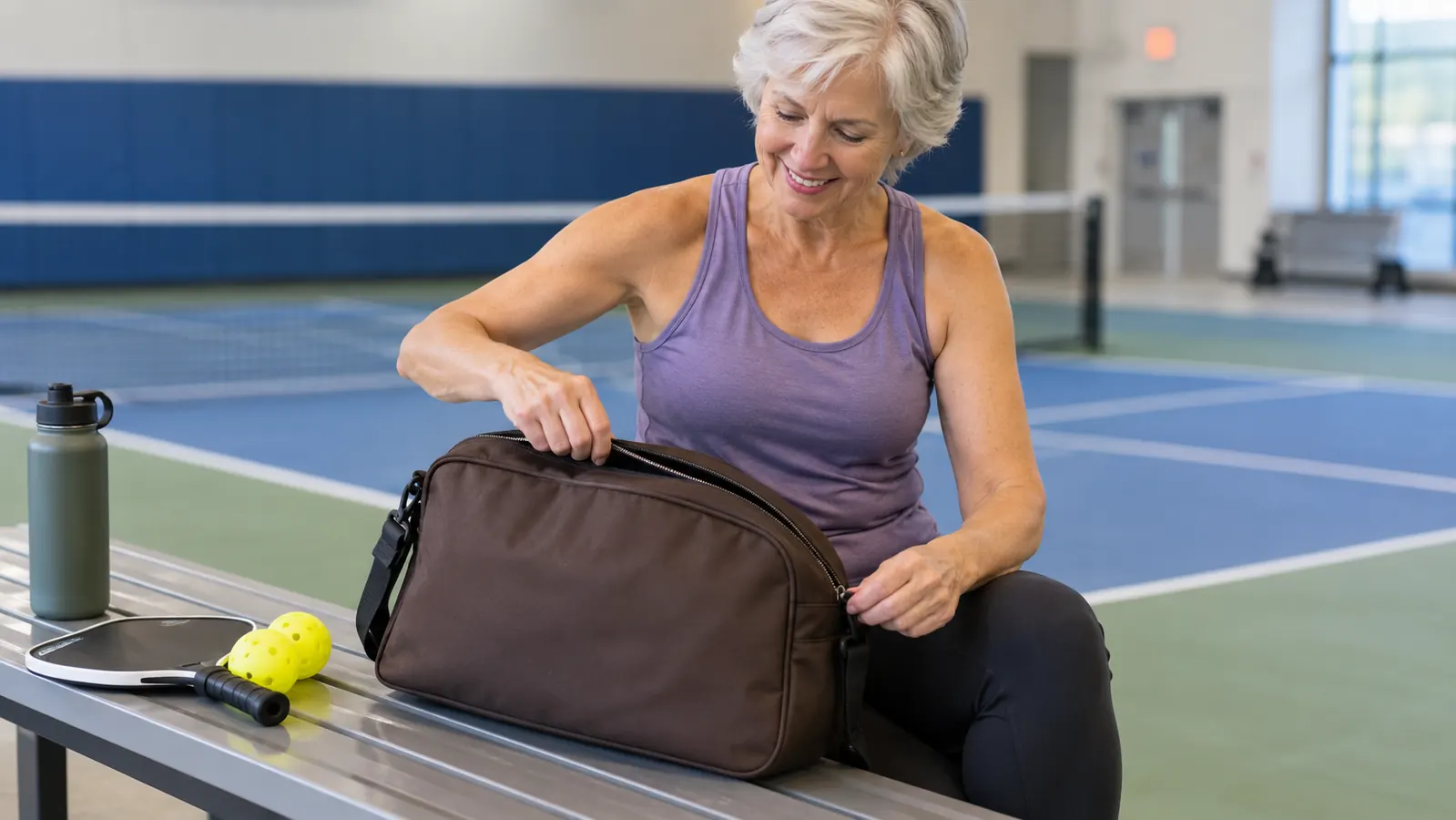
Open play at our rec center uses the house balls, but I like to have two of my own for warm-up and for the outdoor courts on weekends. At first I just dropped them into the main compartment, which meant they rolled under the bench every time I set the bag down. The Mangrove bag has a pocket that fits balls without stretching them out of shape, and they stay put. I tuck two balls in there, one for serving practice and one as a spare. The pocket is in the front, so I can grab a ball without unzipping the whole bag. That matters when you are the one who has to fetch the ball that went over the fence.
I also keep a third ball in the small side pocket, the one near the top, for the days when someone shows up without a ball and asks to join. It is a small thing, but it makes the game friendlier. You can be the person who always has an extra ball, and that is worth more than a fancy paddle in a morning open play. Last month a new player came to open play alone. She had a paddle but no balls. I handed her the spare, and we played two games together. She has been coming every week since.
Do not pack balls on top of your paddle. I learned that the hard way when a ball wedged itself against the paddle face and left a pressure mark that took weeks to fade. Balls go in the ball pocket first, then the spare paddle, then everything else. And check the ball pocket before you leave. It is easy to grab the last ball out during a game and forget to put one back. I keep a small piece of tape on the inside of the front pocket with a reminder that says balls, and it has caught me more than once.
Step 3: Make Water and a Towel the Second Load
A two hour open play in a warm rec center will dehydrate you faster than you expect, especially if you are over 50. I fill a 32 ounce insulated bottle the night before and put it in the bottle holder on the side of the bag. The holder is deep enough that the bottle does not tip out when I swing the bag onto my shoulder. That was the problem with my old bag, and I lost a good bottle in a parking lot because of it. The bottle holder on the Mangrove bag sits on the outside, so a leak does not soak the towel or the spare shirt.
My towel goes in the same side pocket as the bottle, rolled tight so it does not take up the whole compartment. I use a small microfiber towel that dries fast, because a damp cotton towel in a closed bag smells by the end of the week. The Mangrove bag has enough room for both without making the bag bulge. I also carry a spare shirt on days when the rec center thermostat is set too high. That shirt goes in the main compartment, folded flat, so it is not wrinkled when I need it.
I add a small plastic bag for the wet towel on the way home. It sounds fussy, but it keeps the inside of the bag dry and keeps the next morning from starting with a musty surprise. Ten seconds of extra work, and the bag is ready for Thursday. If you play outdoors in the summer, put the bottle in the freezer half full the night before, then top it off with water in the morning. You get cold water for the first hour without carrying a cooler.
Step 4: Keep Grips, Braces, and Small Essentials in Their Own Pockets
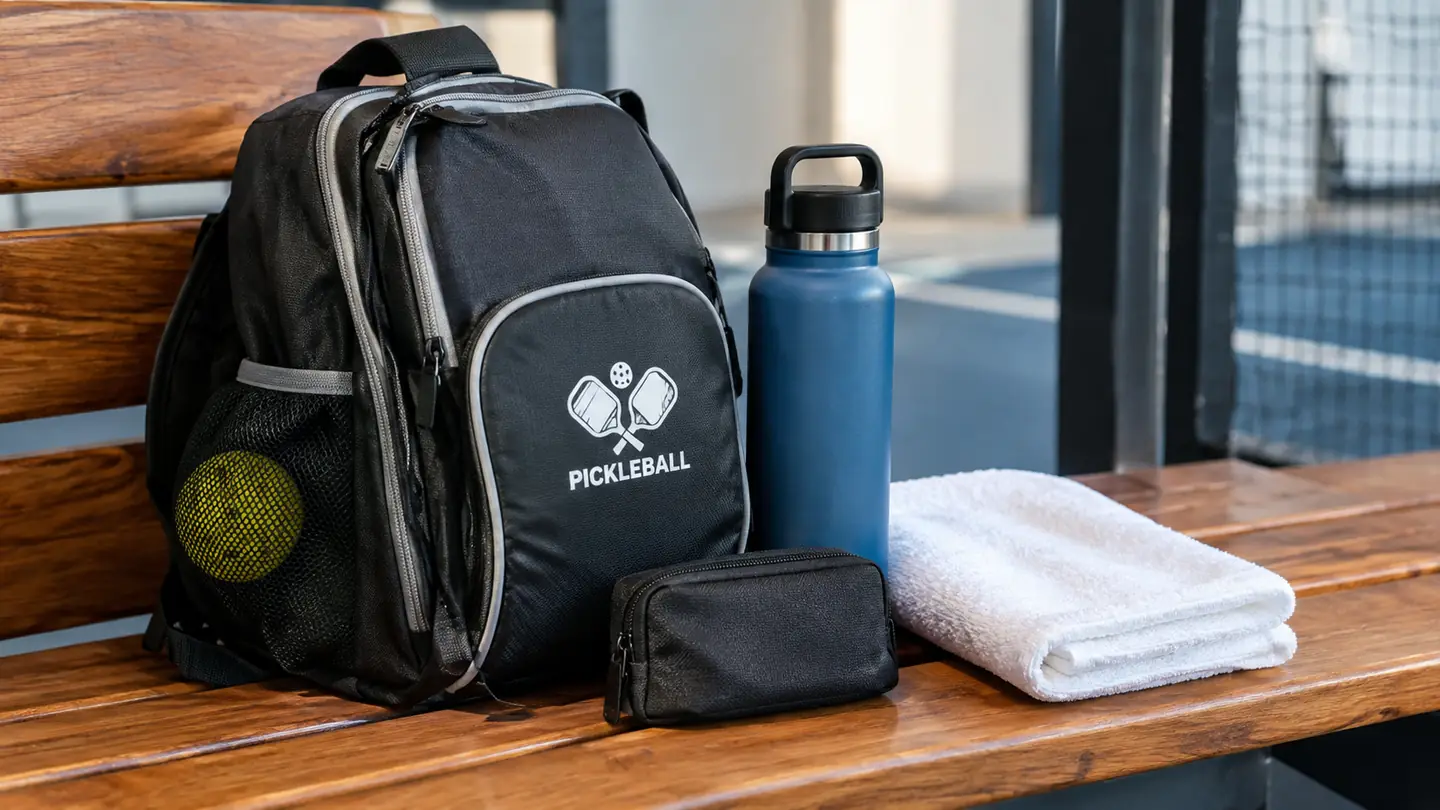
The small stuff is what used to disappear. An extra overgrip, a wrist brace, a tube of ibuprofen, a bandage, a car key. I put all of those in the front zippered pocket of the Mangrove bag, and I never mix them with the balls. The front pocket has its own space, so the overgrip does not get covered in court dust or stuck to a sweaty towel. I learned to keep the pocket organized after I spent five minutes looking for a bandage while my partner waited with a bleeding finger from a paddle scrape.
I play with a light compression sleeve on my right elbow, and I keep a spare one in the bag. Some mornings my elbow feels fine and I do not need it, but on damp days the ache shows up halfway through the second game. Having the sleeve in its own pocket means I can change it between games without dumping the whole bag on the bench. I also keep a small tube of grip powder in the front pocket. It helps on humid days when the paddle handle gets slippery, and it is cheaper than replacing grips all the time.
Keys are the thing most people forget to secure. I clip my car key to the small loop inside the front pocket, so it is not sitting loose at the bottom of the bag. It takes two seconds to undo, and it saves you from the panicked pat down in the parking lot when you realize you do not remember where you put them. Sunglasses go in the same pocket, in a soft case, with the arms folded. I used to keep them on top and sat on them once. Now they have a home, and I have not broken a pair since.
Step 5: Use the Fence Hook and Give the Bag a Final Check
The feature that sold me on the Mangrove bag is the fence hook on the back. When we play at the outdoor courts, I hang the bag on the fence behind our bench instead of setting it on the ground. That keeps it out of the dew, away from ants, and off the wet grass. It also means I can see the bag while I am playing, so nothing walks off. Last summer a pair of sunglasses disappeared from a bag that was sitting on the ground next to the court. Mine were in the front pocket, clipped in, and they stayed put.
At the indoor rec center, the fence hook works on the divider curtain frame or on the hook rail near the entrance. If neither is available, I stand the bag upright against the wall with the paddle slot facing me. The bag has a flat enough base that it does not fall over every time someone bumps the bench. I also use the hook at home, on the back of a chair in the mudroom, so the bag is off the floor and ready to grab on my way out the door.
Before I walk out the door, I do a ten second check. Paddle in the slot, two balls in the ball pocket, bottle in the holder, towel rolled, front pocket zipped, keys clipped. It sounds like a lot, but once you do it the same way every time it becomes automatic. The whole point of a bag with dedicated pockets is that the check is short, because everything already has a home. If I am packing for a friend who is coming along, I do the check twice, once for my bag and once for the spare, and I still get to the rec center before the first warm-up ends.
What Else Helps
A small toiletries bag is the single best addition to any pickleball bag. I keep a separate zippered pouch with sunscreen, lip balm, a nail file, and a mini deodorant. That way the Mangrove bag stays organized, and the little pouch comes out when I need it and goes back in the same spot. It takes one minute to transfer between bags if you ever switch. I use a bright colored pouch so I can spot it in the front pocket without digging.
I also keep a printed copy of the open play schedule in the front pocket. The rec center posts it online, but the Wi-Fi is spotty in the locker room and I am not going to stand there squinting at my phone. A paper schedule with the times circled has saved me from showing up on a day when the courts are closed for a tournament. I write the date of the next open play on the top corner and replace it each month.
Finally, give the bag a reset once a week. Empty everything out, brush out the crumbs, turn the pockets inside out, and put back only what you actually use. I do this on Sunday night, and it takes about five minutes. The bag has five pockets, and if a pocket has been empty for two weeks, I ask myself whether I really need to keep carrying that item. The reset also reminds me to restock the small stuff, like the bandages and the lip balm, before I need them on a busy morning.
The ten second check only works because the bag has a home for everything. Paddle in the slot, balls in the pocket, bottle in the holder, keys clipped. That is the whole system.
Your Morning Routine Deserves the Same Shortcut
If you are tired of digging through a bottomless bag at the courts, the Mangrove bag gives every piece of gear a place. Pack once, play more, and keep your elbow happy.
Amazon See the Mangrove Bag on Amazon →